✓
Thank You!
Your submission was successful. We're excited to have you with us!
Your submission was successful. We're excited to have you with us!
The Microbiome-Focused Clinical System You’ve Been Waiting For!
Learn directly from Kiran Krishnan a world-renowned microbiologist and leading educator in the microbiome space, trusted by tens of thousands of practitioners globally as he shares his complete clinical framework for the first time ever.
Giving you the clarity, confidence, and clinical precision to elevate your practice and create better outcomes for those you serve.
Because the problem isn’t your knowledge, it’s the lack of a clear, clinical framework that shows you exactly how to apply it.
Let’s be honest about what’s happening in functional and integrative practice right now –
YOU’RE NAVIGATING:
You’re not alone and you’re not doing it wrong.
Most practitioners are facing these same challenges. Not because they lack knowledge.
But because they’ve never been given a real system for turning knowledge into action.

This is what the MCSC program was built to change.
✓ A complete clinical framework.
✓ Rooted in microbiome science.
✓ Designed to handle real-world complexity.
✓ Flexible enough to use with your clients right now.
For years, practitioners have asked Kiran Krishnan the same question:
After teaching tens of thousands of professionals at conferences and events around the world… After helping redefine the role of the microbiome in modern integrative medicine… After two decades of research, education, formulation, and systems thinking…
That training is finally here.
The Microbiome Clinical Science Certificate (MCSC) is the first and only program that teaches Kiran’s complete microbiome-centered clinical framework for assessing and addressing chronic illness — in a way that’s clear, comprehensive, and immediately applicable in practice.
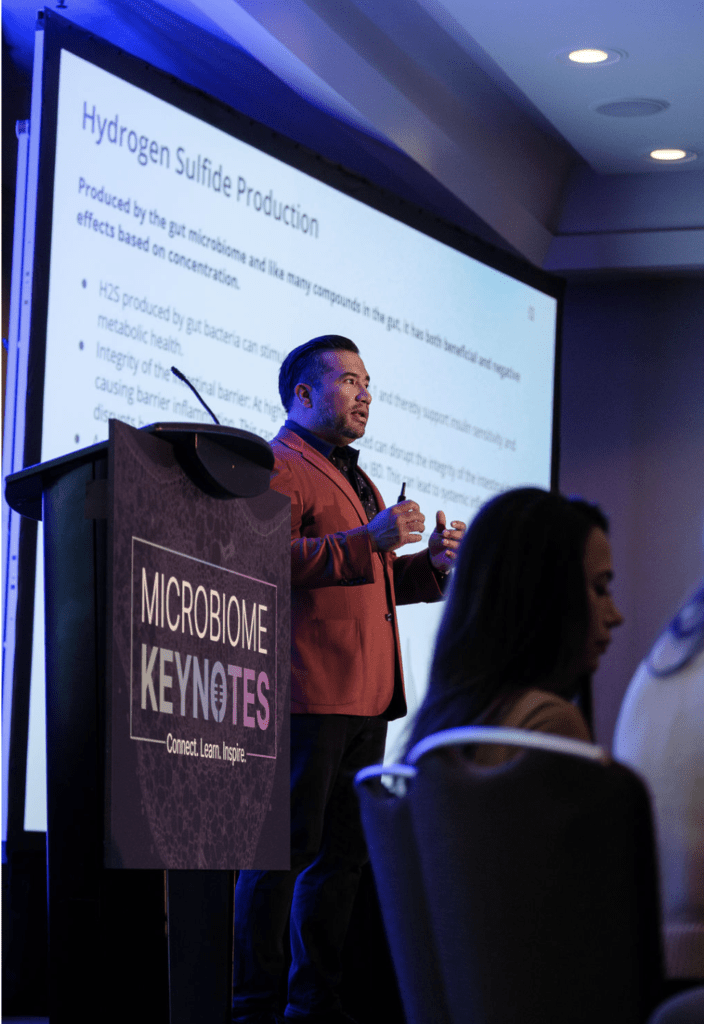
It’s a comprehensive clinical operating system — built by one of the most respected educators in the field, for professionals who are ready to think differently and work more effectively.
This is the microbiome training practitioners have been waiting for — and you’re invited to be part of the first cohort.
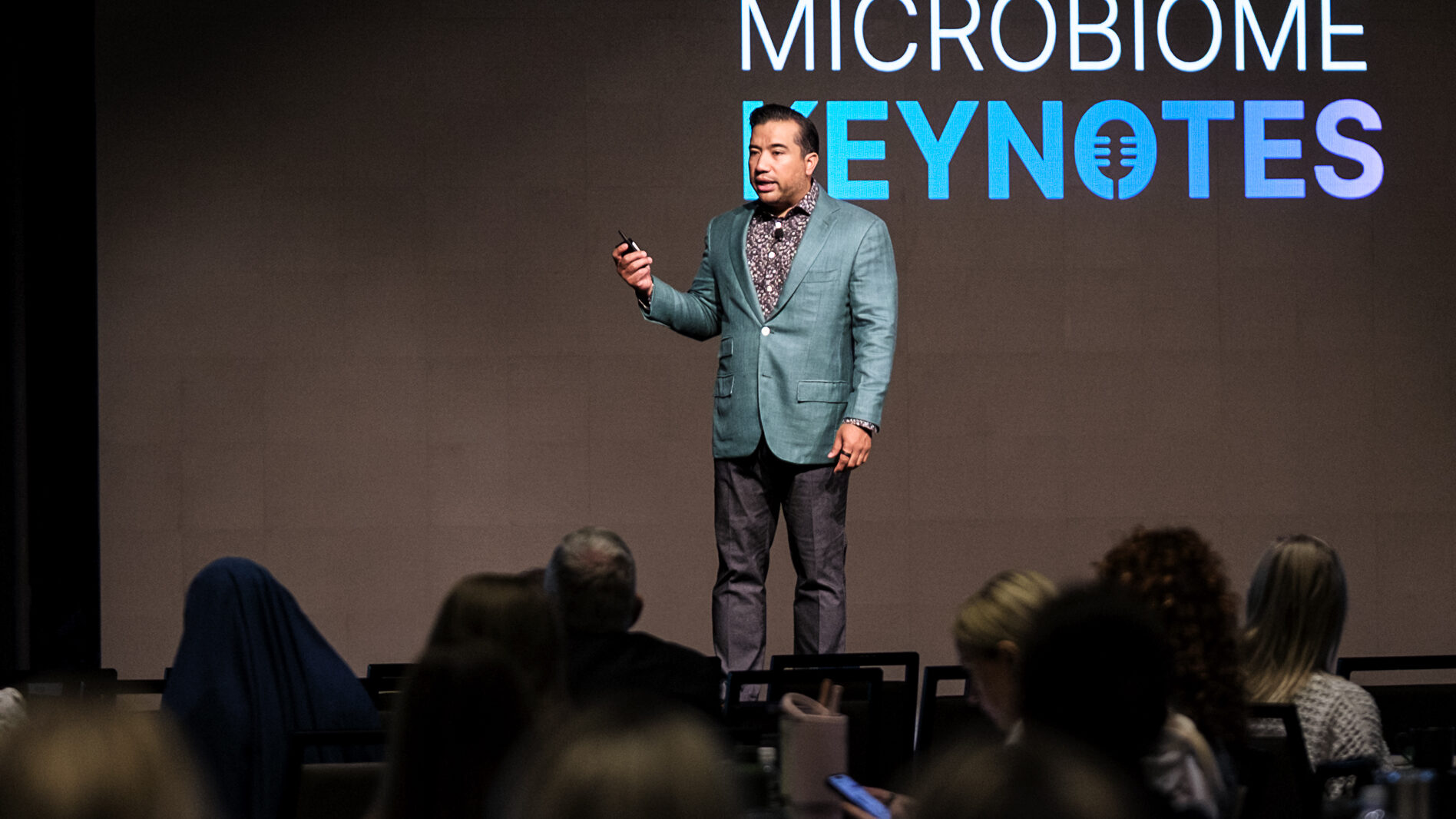
The Microbiome Clinical Science Certificate (MCSC) Program is the first and only training that teaches Kiran Krishnan’s complete microbiome-centered clinical framework — built over two decades of research, formulation, education, and real-world practitioner feedback.
It’s a terrain-based clinical operating system — one that helps you assess patterns, sequence interventions, and navigate complex cases with structure and clarity.
The PROGRAM
This is the microbiome training practitioners have been waiting for — and you’re invited to be part of the first cohort.
The MCSC Program isn’t just a knowledge upgrade.
It’s a practice transformation, one that gives you the clarity, confidence, and clinical precision to work differently. When you have a microbiome-centered clinical framework in place YOU CAN:
The MCSC Program helps you move from scattered and symptom-focused…
to strategic, structured, and clinically impactful.
This is the shift that changes everything for your clients, your practice, and your sense of mastery as a practitioner.
When you practice with clarity, confidence, and clinical precision, you create the conditions for exceptional patient care.
The MCSC Program is more than a training — it’s a complete clinical system. You’re not just learning. You’re applying. And we’ve built every part of this program to help you do exactly that — in real-world practice.
Here’s What’s Included:
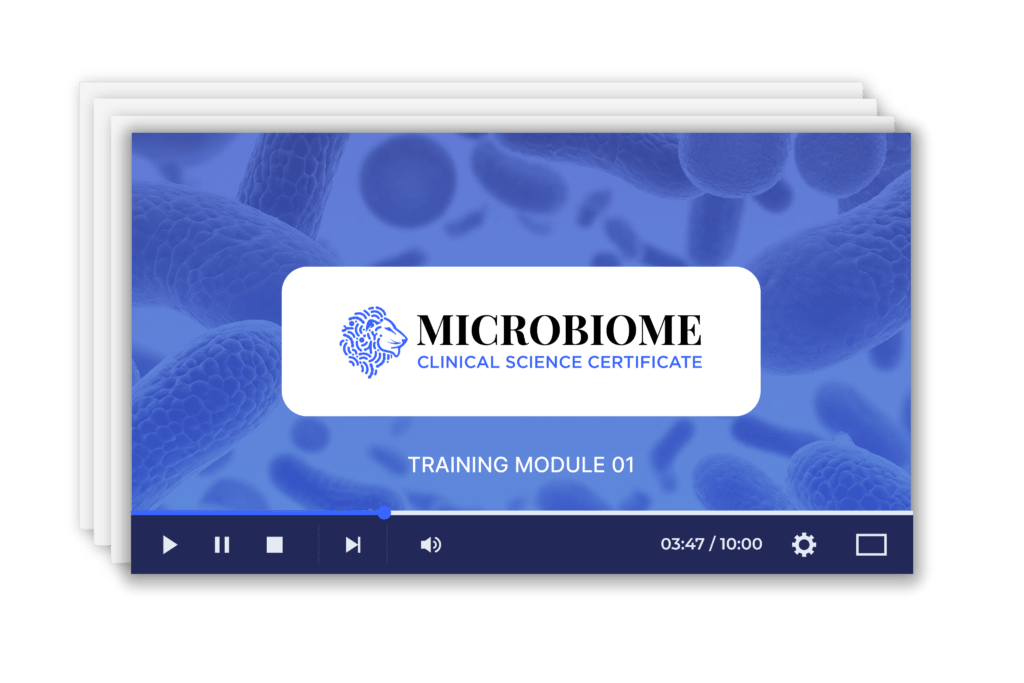
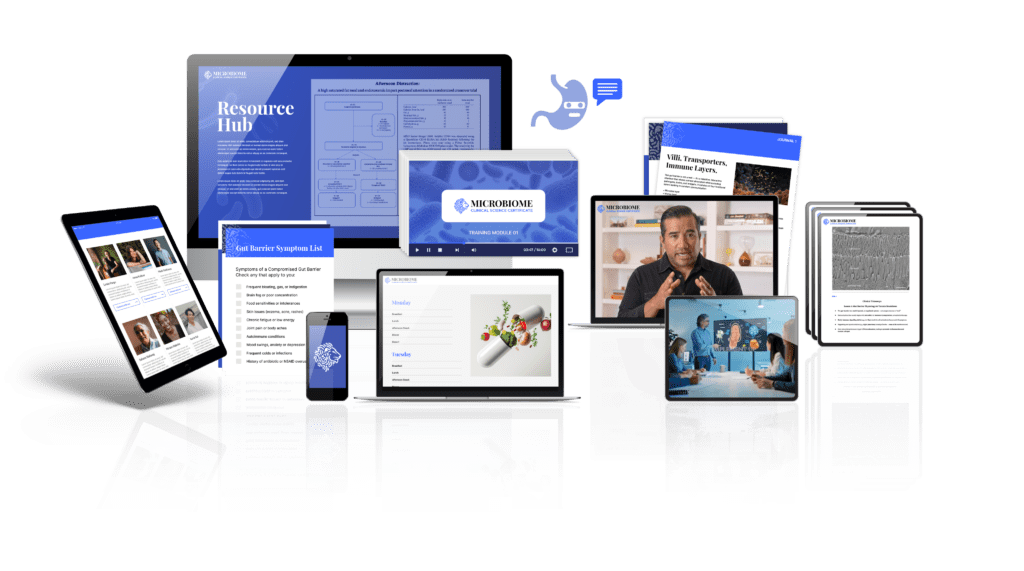
11 Core Training Modules
Taught by Kiran Krishnan, these lessons walk you step-by-step through his complete terrain-based clinical framework — covering digestion, immune function, hormones, metabolism, and the gut-brain axis.
25+ Guest Expert Trainings
Featuring leaders in pediatrics, oral and vaginal microbiomes, SCFAs, immune tolerance, trauma-aware care, vagus nerve regulation, fermented foods, testing, and more the MCSC guest faculty includes Dr. Elisa Song, Dr. Robin Rose, Dr. Maya Shetreat, Dr. Navaz Habib, Dr. Cathleen King, Steven Wright, Lara Adler, and over a dozen more industry experts.
100+ Clinical Tools & Resources
Downloadable, editable, and designed for immediate use — including decision trees, terrain maps, protocol planners, food logs, intake forms, client trackers, and educational handouts. Whether for internal use or direct distribution to clients, every resource is built to improve outcomes, save time, and streamline care.
This is what turns MCSC from information into a complete, ready-to-use clinical system — giving you everything you need to put the framework into practice the very same day.
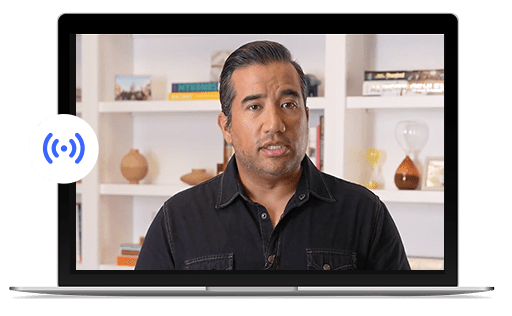
Live Monthly Office Hours with Kiran
Bring your questions, clinical cases, or implementation blocks — and get direct insight from Kiran and the MCSC faculty. For the first cohort, every module includes a live support session to deepen integration and
build confidence!

Private Practitioner Community on Circle
Bring your questions, clinical cases, or implementation blocks — and get direct insight from Kiran and the MCSC faculty. For the first cohort, every module includes a live support session to deepen integration and build confidence!
MCS-P Certificate + Practitioner Directory Listing
Upon completion, you’ll receive your official Microbiome Clinical Science – Practitioner (MCS-P) credential and be listed in the Biome Learning Center’s searchable practitioner directory — showcasing you among a select group trained by Kiran and signaling trusted expertise to prospective patients seeking advanced microbiome-focused care.
This visibility can expand your reach, grow your patient base, and open new opportunities for speaking, collaborations, and recognition as a trusted expert in the field.
The MCSC Program is structured across four clear phases guiding you from foundational terrain concepts through deep system integration and into clinical application.
 Phase 1: Foundations of Terrain Thinking
Module 1 introduces the microbiome as a dynamic ecosystem whose diversity, keystone species, and cross-feeding networks shape digestion, immunity, metabolism, hormones, and brain function. You’ll see how early-life factors, environment, diet, stress, and modern exposures determine whether this system builds resilience or becomes vulnerable long before symptoms arise. By understanding the core ecological patterns that drive stability or collapse, you’ll learn to recognize early signs of terrain fragility and begin assessing patients through a clearer, more integrative terrain-first lens.
Module 2: The Human Microbiome – Systemic Functions & Clinical SolutionsModule 2 shows how the microbiome operates as a parallel organ system influencing digestion, immune tone, metabolic flexibility, hormonal balance, detoxification, and brain function. You’ll learn how SCFAs, bile acid signaling, neurotransmitters, and microbial metabolites coordinate whole-body physiology — and how dysbiosis, low butyrate, LPS, and disrupted microbial pathways drive fatigue, mood issues, weight resistance, hormonal shifts, and chronic inflammation. This module gives you the functional map needed to pinpoint where the system is breaking down and how to restore core microbial processes that support long-term resilience.
Module 3: Leaky Gut & Endotoxemia: Ground Zero of Chronic DiseaseModule 3 reframes “leaky gut” as a coordinated breakdown of microbial, mucus, epithelial, and immune layers that normally protect the body from inflammatory triggers. You’ll learn how modern stressors, nutrient gaps, medications, low-fiber diets, and dysbiosis weaken these layers and allow LPS to enter circulation, driving chronic low-grade inflammation. We trace how endotoxemia silently disrupts metabolic, hormonal, neurological, and immune pathways — often in patients without GI complaints. By the end, you’ll be able to identify barrier collapse through systemic patterns and intervene earlier and more effectively in complex cases.
Module 4: Mucosal Immunity, Immune Tolerance & ReactivityModule 4 dives into the mucosal immune system — the frontline where microbes, epithelial cells, and immune tissues determine whether the body stays regulated or reactive. You’ll learn how SIgA, dendritic cells, and Tregs maintain tolerance, and how dysbiosis, low SCFAs, stress, and barrier damage shift this system toward hypersensitivity, mast cell activation, and chronic inflammation. This module gives you the framework to understand food reactions, histamine overload, MCAS-like presentations, and “mystery” symptom patterns that move across systems. You’ll leave with a clear view of how immune tolerance is built, how it breaks, and how to begin restoring it.
Module 5: Gut Barrier Dysfunction: Clinical Recognition, Testing & RepairModule 5 brings the barrier story into practical clinical application. You’ll learn how to recognize barrier dysfunction through multisystem patterns that often precede digestive complaints, and how to use stool and blood markers—like SCFAs, SIgA, diversity, calprotectin, LBP, and sCD14—to understand what’s breaking down and why. This module introduces a phased repair model that integrates microbial restoration, mucosal and epithelial repair, immune regulation, and nervous-system stabilization. By the end, you’ll be able to map terrain collapse with clarity and guide patients through a structured, functional path toward durable recovery.
 Phase 2: Understanding the Digestive Terrain
Module 6 maps the upper digestive terrain from the brain to the stomach, showing how vagal tone, cephalic activation, stomach acid, motility, and mucosal defenses set the stage for everything downstream. You’ll learn why stress, trauma, low acid, poor meal hygiene, H. pylori imbalance, bile stagnation, and mucosal damage are the real drivers of reflux, bloating, slowed emptying, and early digestive symptoms — not “too much acid.” This module gives you the tools to restore top-down digestive signaling, rebuild acid and enzyme function, resolve reflux at its root, support gastric mucosa, and re-establish coordinated motility, creating the conditions for long-term digestive stability.
Module 7: The Digestive System – Part 2: Bile, Pancreas, Motility & Enzyme FunctionModule 7 explores the middle of the digestive cascade — where bile flow, pancreatic enzymes, brush border activation, and motility shape the chemistry and microbial balance of the small intestine. You’ll learn how low bile output, sluggish gallbladder reflexes, pancreatic underactivation, duodenal inflammation, and dysbiosis disrupt nutrient breakdown, fat absorption, and small-bowel ecology, often leading to bloating, SIBO recurrence, steatorrhea, and motility disorders. This module gives you a clear framework for supporting bile quality and flow, restoring enzyme activation, improving gastric and duodenal signaling, reducing fermentation pressure, and strengthening the gut–liver axis so the entire terrain becomes more resilient and self-regulating.
Module 8: The Digestive System – Part 3: Small Intestine, SIBO, Colon & MotilityModule 8 completes the GI system tour by mapping the small intestine and colon — where motility, bile and enzyme signaling, brush-border activity, and mucosal immunity determine nutrient absorption and microbial balance. You’ll learn a terrain-first framework for resolving SIBO; how stasis, low secretions, or mucosal injury drive overgrowth; and how colon metabolism, SCFA production, and microbial diversity maintain barrier integrity and systemic regulation. This module also covers constipation, diarrhea, and gut–liver–bile dynamics, giving you a clear, sequenced approach to restoring healthy motility, microbial cooperation, and effective elimination.
 Phase 3: Specialty Deep Dives Systems Thinking in Practice
Module 9 explores the microbiome as a central architect of immune tone — shaping tolerance, inflammation, and how the body responds to internal and external triggers. You’ll learn how microbial diversity, mucosal immunity, and microbial metabolites regulate oral tolerance and immune balance, and how terrain disruption drives chronic inflammation, histamine overload, and autoimmune tendencies. This module gives you practical tools to evaluate immune patterns, identify terrain-level drivers of dysregulation, and apply interventions that recalibrate immune tone rather than suppress it.
Module 10: Gut–Microbiome–Brain Axis — Neuroinflammation, Mood & ResilienceModule 10 examines the bidirectional gut–brain axis and how terrain imbalances shape mood, cognition, and neurological health. You’ll learn how vagal tone, microbial metabolites, LPS, and dysbiosis drive neuroinflammation, brain fog, anxiety, depression, and fatigue, as well as how stress and trauma disrupt gut function and microbial diversity. This module gives you tools to assess gut–brain interactions, identify microbial and inflammatory drivers of neurological symptoms, and apply strategies that support nervous system regulation and cognitive resilience.
Module 11: Hormones, Metabolism & the MicrobiomeModule 11 explores how the microbiome shapes hormonal balance, metabolic function, and energy regulation. You’ll learn how microbial activity influences estrogen metabolism, thyroid conversion, insulin sensitivity, and appetite signaling — and how bile flow, SCFAs, and the estrobolome support healthy hormonal and metabolic tone. We’ll also connect dysbiosis and LPS to inflammation-driven weight resistance, chronic fatigue, and metabolic inflexibility. This module equips you to assess hormone–microbiome interactions, identify terrain-level drivers of imbalance, and design interventions for cases involving PCOS, estrogen dominance, thyroid issues, and weight dysregulation using a terrain-first clinical framework.
 Phase 4: Application, Testing & Clinical Implementation
The Bonus Practitioner Toolkit shows you how to translate the entire MCSC framework into real-world clinical decision-making. You’ll learn when and how to use microbiome and digestive testing, how to interpret results through a terrain-based lens, and how to design precise, food-driven interventions based on actual lab findings. We’ll cover selecting and sequencing probiotics, prebiotics, postbiotics, and other biotics for specific clinical goals, and give you a full library of quick-reference tools for reflux, SIBO, bile insufficiency, gastritis, motility issues, constipation, diarrhea, sensitivities, and more. This module equips you to build personalized care plans that offer immediate symptom relief while resolving the deeper terrain patterns driving chronic dysfunction.

Enroll now and you’ll receive hundreds of dollars in practitioner-focused bonuses completely free.
These resources are designed to help you implement faster, practice with more confidence, and get real-time support when you need it most.
BONUS #1:
1-Year Membership to the Biome Pro Inner Circle
($297 Value)
This exclusive membership gives you extended access to community, tools, and ongoing clinical support all built around the MCSC framework. It’s your post-course home base for staying sharp and supported. Includes:

1. Ask the Microbiome Mentor
An AI assistant trained on the full MCSC curriculum, tools, and guest trainings

2. Tool Recommender Bot
Enter a clinical scenario and get matched with the right tools from the MCSC library

3. Smart Search Navigator
instantly find key topics, timestamps, and lesson references across all 100+ MCSC videos

4. Live Monthly Office
Hours with Kiran
real-time Q&A and case discussion

5. Certified Practitioner Directory Listing
showcase your MCS-P status and be searchable by prospective clients
BONUS #2:
Microbiome White Paper Bundle ($197 Value)
A curated set of professionally designed clinical white papers covering key MCSC topics — including SIBO, SCFAs, immune tolerance, gut testing, and more.
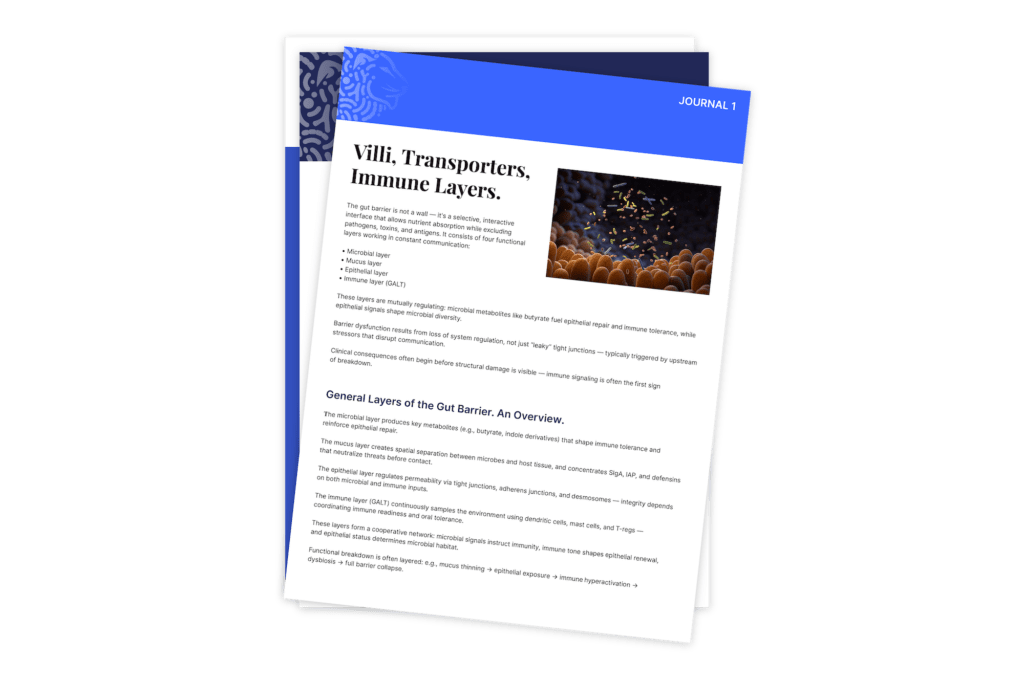
Use them as
Each paper is clear, actionable, and research-backed — designed for high-trust communication and real-world use.

Get full access to the MCSC Program plus hundreds of dollars in bonuses.
There are practitioner trainings out there that cost far more…
yet deliver far less in terms of real clinical transformation. They offer protocols without systems, Information without application, Ideas without support.
The MCSC Program is designed differently.
It gives you the clinical structure, decision-making tools, and implementation support that actually moves your practice forward and sets you apart in the field.
This isn’t just another course.
It’s an investment in how you think, how you practice, and how you lead.
Your practice will never be the same!
Here are answers to the most common questions practitioners ask before joining the MCSC Program. If you’re still unsure, reach out we’re here to help you make a confident decision.
If you’re a licensed or certified health professional actively working with patients — and you want to integrate a microbiome-centered, terrain-based approach into your practice — you’re in the right place.
The MCSC program will meet you where you are:
Build Your Resilient Gut is a patient-level course. The MCSC Program is a professional training — built to help clinicians assess, sequence, and implement with clarity and confidence in real practice.
This isn’t just more information. It’s a complete, terrain-based clinical system with 100+ tools, live support, and a professional credential — designed to integrate seamlessly into your workflow. There’s nothing else like it on the market today.
Yes. The MCSC Program is designed for real-world application. You’ll get 100+ clinical and client-facing tools — including intake forms, trackers, handouts, flowcharts, and intervention maps — ready to use immediately.
Yes. After completing the program, you’ll receive your MCS-P (Microbiome Clinical Science – Practitioner) certificate and be eligible for listing in Kiran’s searchable practitioner directory at the Biome Learning Center.
You’ll have lifetime access to all core modules, guest trainings, and downloadable tools. Your free Biome Pro Inner Circle membership lasts 12 months and can be renewed at a discounted rate.
CEUs are not currently offered for this program. Depending on your licensing board’s requirements, you may be able to self-report your participation for continuing education credit.
That’s okay. The program is self-paced. You’ll have lifetime access, so you can go at your own rhythm — and return to the content as often as you need.
We’re happy to talk it through with you. Just email us hello@biomelc.com or reach out to our team here.
You’ve put in the hours. You’ve done the trainings.
You care deeply about helping your clients get results.
But the truth is protocols alone aren’t enough.
You need a way to connect the dots.
To work with complexity.
To feel grounded in what you’re doing and proud
of the results you’re delivering.
That’s what the MCSC Program gives you.
A complete, terrain-based clinical framework. 100+ tools to support real-world application. Live support. Long-term community. And the guidance of a world-class educator trusted by tens of thousands of practitioners.

* DISCLAIMER: The Biome Learning Center and its staff are not medical practitioners and do not practice medicine. The information in the Microbiome Clinical Science Certificate and accompanying materials are for informational purposes only. Always seek the advice of your physician or other qualified health practitioner regarding any medical condition or concerns.